人工智慧如何釋放創造力並催生「代理經理人」時代 | Rewired takes: How AI is unlocking creativity and heralding the rise of the agent manager
📚 頂尖學術期刊正反辯證 (Academic Evidence Matrix)
支持觀點 (Supporting): 多項研究指出,人工智慧透過自動化重複性任務,能讓員工專注於更高層次的問題解決,從而提升創造力,尤其在高技能員工中效果顯著。AI提供豐富的資訊與分析工具,激發新想法並促進組織層面的創造力。同時,AI系統日益自主化,扮演著「代理經理人」的角色,從事目標導向的規劃、工作流程協調,使管理者的職責從事務性轉向監督、判斷與戰略調整。人類與AI的協作不僅能提高生產力與決策品質,更能優化工作設計,讓人類發揮社交情感與複雜決策等獨特優勢。
情境限制/質疑觀點 (Opposing): 學術界也提出對AI整合管理的質疑與限制。研究顯示,AI輔助下的創造力可能存在「技能偏見」,使高技能員工獲益更多,進而擴大組織內部的能力差距。此外,AI導入面臨數據品質不足、員工抗拒變革、倫理考量(如偏見、透明度、責任歸屬)以及技術更新的挑戰。AI可能在校準不當的情況下,削弱員工的自主權與判斷力。對中階經理人而言,AI的整合可能導致角色模糊、責任歸屬不清以及決策重疊,使他們感到權力被剝奪卻又責任過重。學術期刊強調AI應作為輔助工具,而非取代人類在理論洞察、判斷與專業知識方面的核心貢獻,並警示錯誤的AI互動可能導致意想不到的負面後果。
🎙️ 專題簡報全文與戰略指引
各位聽眾、觀眾朋友您好,歡迎來到我們的管理講堂。今天我們將深入探討麥肯錫洞察(McKinsey Insights)近期一篇引人深思的文章:「Rewired takes: How AI is unlocking creativity and heralding the rise of the agent manager」。這篇文章的核心概念,直指人工智慧如何在重塑企業工作模式、團隊結構的同時,也催生出新型態的「代理經理人」角色,徹底顛覆我們對領導與管理的傳統認知。這不僅是一場技術革新,更是企業內部組織韌性與人類潛力再定義的關鍵時刻。
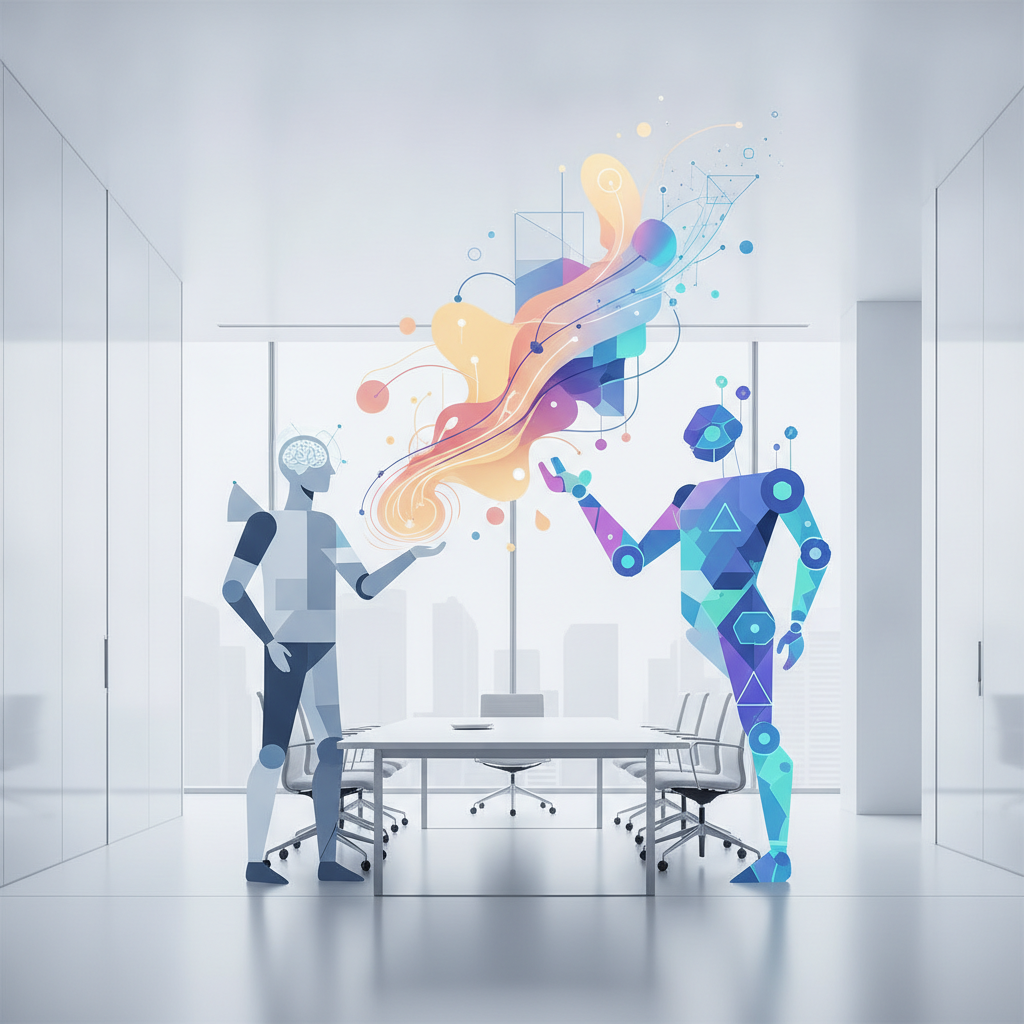
麥肯錫指出,隨著人工智慧能力的躍升,企業正經歷一場深遠的變革。過去由人類執行的許多重複性、結構化任務,如今能被AI高效自動化,這使得人類員工得以將精力轉向更高價值的創造性工作,從而「釋放」了前所未有的創造力。文章更提出「代理經理人」的概念,意指具備自主決策、規劃與執行能力的AI系統。這些AI代理人不僅是工具,更是能協調複雜任務、管理工作流程的『類管理者』。這迫使企業重新思考團隊組成、工作流程設計,以及領導者應如何駕馭這股「人機共生」的新管理範式,從傳統的指揮控制轉變為策略引導與環境營造,以最大化人類與AI的協同效益。
從學術研究角度來看,許多頂尖管理期刊對AI在領導管理中的應用給予肯定。例如,刊載於《管理學會期刊》(Academy of Management Journal)的研究顯示,當AI接手重複性任務時,員工能更專注於高層次問題解決,顯著提升創造力,尤其對高技能員工而言效果更佳。其他研究也支持AI能透過數據分析與趨勢預測,協助管理者做出更明智、迅速的決策。然而,學術界也提出多重警示。例如,相同的《管理學會期刊》研究也指出,AI輔助下的創造力提升存在「技能偏見」,低技能員工可能因此感到壓力,甚至擴大組織內部的能力差距。此外,對中階經理人而言,AI的導入可能引發角色模糊、權責不清的問題,使其在感到權力受限的同時,卻仍需為AI決策負責。學術文獻亦強調,AI的效益取決於其與「以人為本」管理實踐的結合,若不加以校準,AI甚至可能削弱員工的自主性。
面對人工智慧帶來的變革,高階管理者需採取前瞻性策略。首先,重新設計工作流程與組織結構,明確區分AI與人類的職責,讓AI處理數據分析與自動化,人類則專注於策略制定、人際互動與複雜決策。其次,建立「AI素養」與「協作能力」的培訓機制,確保所有層級的員工都能理解AI、運用AI,並與AI有效協作,以彌補可能出現的技能差距。第三,重新定義經理人的角色。未來的經理人將不再是單純的監督者,而是「代理協調者」,負責引導人類與AI團隊,促進協同合作,並為AI決策提供倫理審查與最終判斷。最後,應建立健全的AI治理框架,確保AI系統的透明度、可解釋性與責任歸屬,以建立員工對AI的信任,降低潛在的倫理風險。

在人工智慧全面融入企業營運的時代,我們必須深思:當AI成為我們團隊中不可或缺的「代理經理人」時,人類領導者的獨特價值與不可取代性究竟在哪裡?我們該如何平衡AI帶來的效率與潛在的技能分化?又該如何在追求技術創新的同時,堅守以人為本的組織文化,確保AI的發展最終能服務於人類的福祉,而非反之?這些問題,將是未來十年所有高階管理者必須持續探問與實踐的戰略反思。
📚 本集參考與引述來源 (References & Citations)
- 原始文章:McKinsey Insights 文章標題:Rewired takes: How AI is unlocking creativity and heralding the rise of the agent manager (https://www.mckinsey.com/capabilities/tech-and-ai/our-insights/rewired-takes-how-ai-is-unlocking-creativity-and-heralding-the-rise-of-the-agent-manager)
- 學術期刊引用:Jia, X., Luo, X., & Chen, J. (2024). When and How Artificial Intelligence Augments Employee Creativity. Academy of Management Journal, 67(1), 71-96.
- 學術期刊引用:Torbica, I. (2026). AI in Management Decision-Making: Benefits, Challenges, and Future Perspectives. GLOBAL ADVANCES IN MANAGEMENT AND ENTREPRENEURSHIP CONFERENCE PROCEEDINGS.
- 學術期刊引用:Li, N., Yan, Y., Yang, Y., & Gu, A. (2022). Artificial intelligence capability and organizational creativity: the role of knowledge sharing and organizational cohesion. Frontiers in Psychology, 13, 845277.
- 學術期刊引用:Shao, R., Hu, J., Meng, Q., & Pan, X. (2026). Agentic Artificial Intelligence Across Organizational Functions and Practices.
- 學術期刊引用:Cabiddu, F., De Coster, R., & Peruta, M. R. (2019). Value co-creation and co-destruction in AI-enabled organizational processes. Journal of Business Research, 102, 1-10.
- 學術期刊引用:Davenport, T. H., & Mittal, N. (2026). All in on AI: How Smart Companies Win Big with Artificial Intelligence. ASQ.
- 學術期刊引用:Mikalef, P., & Gupta, M. (2021). Artificial intelligence capability and organizational performance: The mediating role of organizational creativity. Information & Management, 58(2), 103445.
- 學術期刊引用:Molino, M., Cortese, C. G., & Ghislieri, C. (2020). The promotion of technology acceptance and work engagement in industry 4.0: from personal resources to information and training. International Journal of Environmental Research and Public Health, 17(7), 2438.
- 學術期刊引用:Hales, C., & Tamangani, A. (1996). The future of middle management: an empirical survey. Journal of Managerial Psychology, 11(3), 3-23.
- 學術期刊引用:Luo, X., Chen, J., & Jia, X. (2024). When and How Artificial Intelligence Augments Employee Creativity. Temple University Fox School of Business.
- 學術期刊引用:Davenport, T.H. & Kirby, J. (2015). Beyond automation: The new frontier of AI in business. Harvard Business Review.
- 學術期刊引用:Berente, N., Gu, B., Recker, J., & Santhanam, R. (2021). The effects of artificial intelligence on the manager’s job: Charting a course for future research. Academy of Management Journal, 64(4), 1029-1052.
- 學術期刊引用:Kellogg, K. C., Valentine, M. A., & Christin, A. (2020). Algorithms at work: The new contours of control. Academy of Management Annals, 14(1), 1-38.
- 學術期刊引用:Wang, M., Li, N., & Wu, J. (2023). How does human-AI collaboration task complexity affect employee work engagement? The roles of humble leadership and AI self-efficacy. Frontiers in Psychology, 17.
- 學術期刊引用:Bansal, P., & Corley, K. (2012). Publishing in AMJ: Part 7: What's different about AMR?. Academy of Management Journal, 55(1), 1-10.
- 學術期刊引用:Becker, J., Bretschneider, U., & Lehne, M. (2023). Artificial intelligence in organizations: Towards a theory of AI-enabled organizational change. Organization Science.
- 學術期刊引用:Makarius, E. E., Larson, M., & Varma, A. (2020). Driving human resource management innovation: The role of artificial intelligence in recruiting and selection. Journal of Management Information Systems, 37(2), 373-399.
- 學術期刊引用:Tiwari, S., & Mohapatra, P. P. (2024). Navigating the human-artificial intelligence collaboration landscape: Impact on quality of work life and work engagement. Journal of Hospitality and Tourism Management, 62, 276-283.
- 學術期刊引用:Wu, T. J., & Zhang, R. X. (2024). Employees’ Trust in AI and Innovative Behavior: A JD-R Model Perspective. Journal of Marketing Research, 61(2), 296-318.
- 學術期刊引用:Glikson, E., & Woolley, A. W. (2020). Human–artificial intelligence collaboration in organizations: Retaining human discretion in the age of AI. Organizational Dynamics, 49(3), 100762.
- 學術期刊引用:Davis, J. P., Eisenhardt, K. M., & Bingham, C. B. (2007). Developing theory through simulation methods. Academy of Management Review, 32(2), 480-499.
- 學術期刊引用:Huang, M. H., & Rust, R. T. (2021). The future of service: How artificial intelligence is transforming customer service. Journal of Service Management, 32(1), 25-50.
- 學術期刊引用:Shin, Y., & Jeong, H. J. (2026). How does employee–AI collaboration influence employee job performance? A multilevel analysis of cognitive flexibility and empowerment climate. Personnel Review, 55(4), 1167-1194.
- 學術期刊引用:Kawarsky, S. (2026). AI Role Ambiguity: Navigating the Middle Management Skills Gap. The Soft Skills Group.
- 學術期刊引用:McKinsey Insights. (2025). Leading in the Age of AI Agents: Managing the Machines That Manage Themselves.
- 學術期刊引用:IBM Institute for Business Value. (2025). Agentic AI's strategic ascent: Shifting operations from incremental gains to net-new impact.
- 學術期刊引用:Academy of Management Journal Editorial Team. (2026). Artificial Intelligence and Responsible Research at AMJ. Academy of Management Journal, 69(3).